

 Close
Close


Lymphedema myth busters: Separating fact from fear
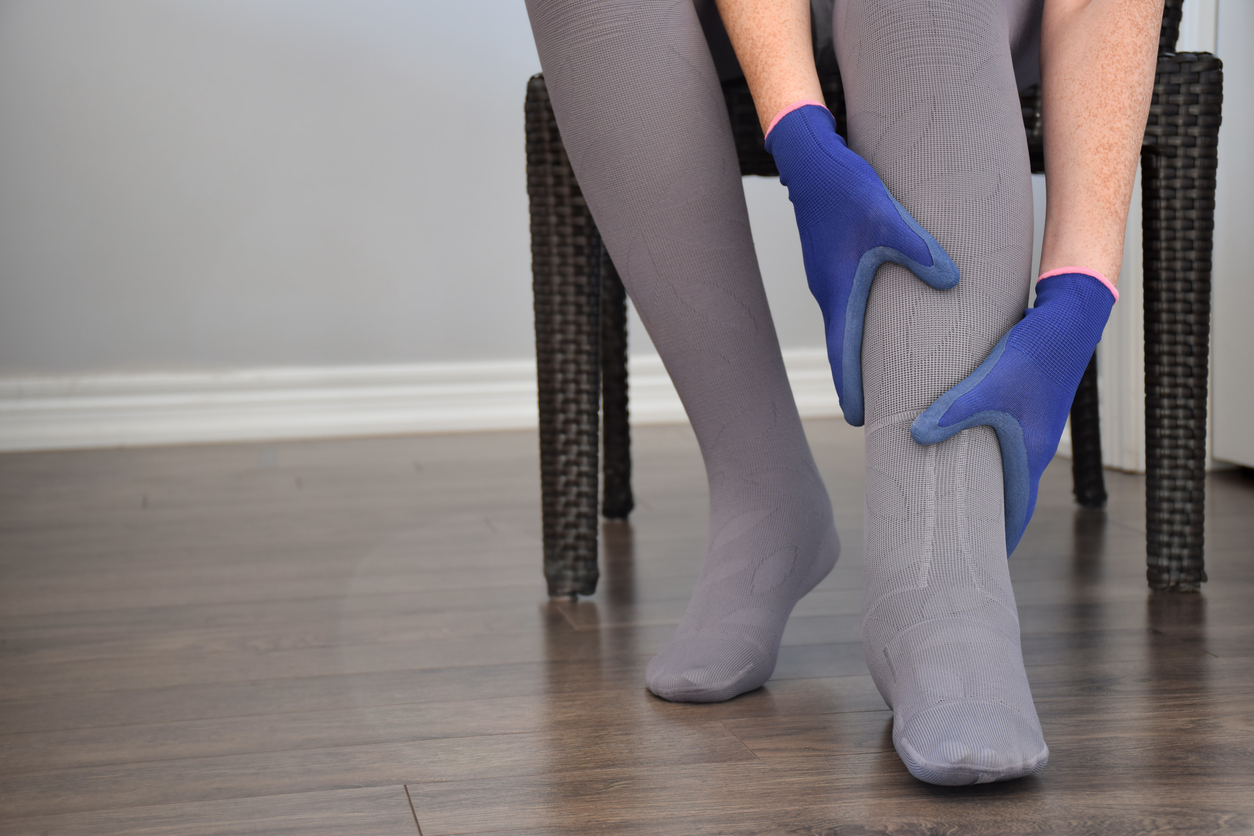
As we recognize National Lymphedema Day on March 6, we’re shifting the conversation from fear to empowerment.
Lymphedema is a chronic swelling condition that often develops from cancer treatment. Because it involves the lymphatic system, it can be complex, misunderstood and surrounded by misinformation. When it comes to your health, knowledge is one of your most powerful tools.
To help clear up some of the most common misconceptions, we’re joined by Anton Fries, MD, division chief of plastic and reconstructive surgery at UT Health San Antonio, and Oriana Haran, MD, assistant professor in the Department of Surgery at UT Health San Antonio and a double fellowship-trained plastic and reconstructive surgeon at Mays Cancer Center at UT Health San Antonio.
Together, they address the three myths they hear most often in the clinic.
Myth No. 1: Lymphedema is just cosmetic swelling and isn’t serious.
According to Dr. Anton Fries, lymphedema is much more than swelling. It's a chronic, progressive medical condition caused by damage to the lymphatic system, which plays a critical role in fluid balance and immune function.
If left untreated, lymphedema can lead to serious complications, including:
- Infections such as cellulitis
- Tissue hardening, known as fibrosis
- Pain and mobility limitations that interfere with daily life
Lymphedema requires specialized, ongoing care. If you notice persistent swelling, don't ignore it—talk with your care team immediately.
Myth No. 2: If I have lymphedema, there’s nothing that can be done to improve it.
Dr. Oriana Haran says that while lymphedema is chronic, it is highly manageable with the right treatment approach.
The gold standard of care is Complete Decongestive Therapy, a non-invasive, individualized treatment program that includes four core components:
- Manual lymphatic drainage: A gentle, specialized technique to redirect fluid away from the swollen area.
- Compression: Bandages and/or custom-fitted garments to reduce swelling and prevent fluid buildup.
- Exercise: Specific exercises to activate muscles and lymphatic vessels.
- Skin care: Keeping the skin clean and moisturized to help prevent infections.
With dedicated self-care and guidance from a certified lymphedema therapist, many people with lymphedema can manage symptoms effectively and maintain active, comfortable lives.
Myth No. 3: I don't need to wear my compression garment if my swelling isn't bad that day.
Compression garments are a fundamental part of lymphedema management and should be treated like necessary medicine for the lymphatic system, Dr. Haran explains.
The lymphatic system doesn't have a pump like your heart. Compression provides the external pressure needed to keep fluid moving and prevent it from returning to the affected area.
Skipping your compression, even for a few days, can allow swelling to worsen and reverse progress made through therapy. Consistency is key! If compression is uncomfortable or difficult to wear, speak to your therapist rather than stopping use.
Your next step to empowerment
Lymphedema is a journey, not a sprint. We encourage patients and caregivers to take a proactive role in learning about treatment options and long-term care.
Watch our YouTube playlist to learn more about surgical options for lymphedema.