

 Close
Close


Clearing the air on the lung cancer risks we often ignore
Why you don’t need to smoke to be at risk
One of the biggest misconceptions about lung cancer is that it only affects people who smoke. The truth is that people who have never smoked can develop lung cancer, too. While smoking remains the leading risk factor, about 10% to 20% of lung cancers are diagnosed in people who have smoked fewer than 100 cigarettes in their lifetime.
Other risk factors and causes
For people who have never smoked, lung cancer may be linked to radon, secondhand smoke, air pollution or changes in their cells. In many cases, there is no single clear cause.
Because lung cancer is still often seen as a smoker’s disease, people who have never smoked may overlook symptoms or hesitate to bring them up with a doctor. Knowing that anyone can be affected may help people recognize symptoms sooner and seek care.
Catching it early
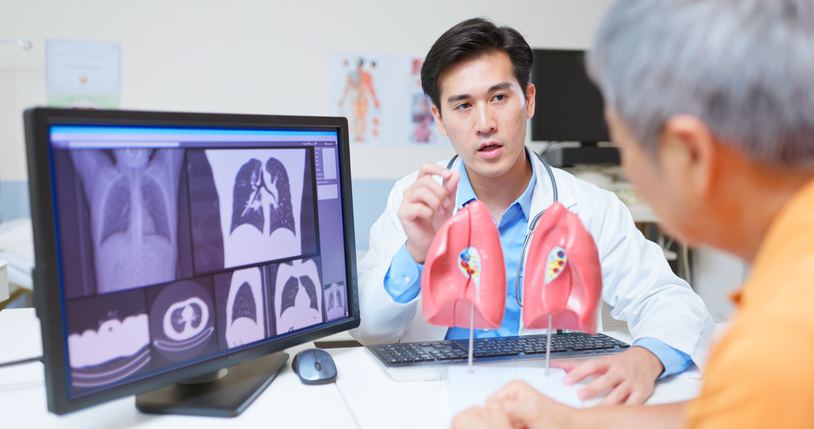
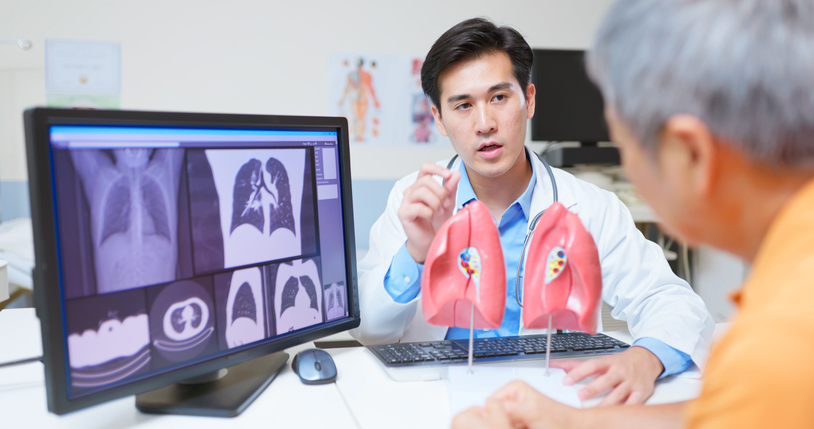
For people who meet lung cancer screening guidelines, low-dose CT scans can find small lung nodules before symptoms appear. People who do not meet screening criteria should still talk with their doctor about new or persistent symptoms or concerns about their lung cancer risk.
If a scan finds a suspicious nodule, our pulmonologists and thoracic surgeons can perform robotic bronchoscopy biopsies at the UT Health San Antonio Multispecialty and Research Hospital as part of the lung cancer care available through Mays Cancer Center.
During the procedure, doctors guide a small, flexible tube deep into the lung to reach nodules that may be difficult to access. This allows them to collect a tissue sample without traditional surgery, and patients can usually return home the same day.
After the biopsy, the tissue may be tested for changes in the cancer’s DNA. Lung cancer specialists at Mays Cancer Center use those results to better understand what is helping the cancer grow and choose treatment based on its specific features.
For some patients, targeted therapy may be an option instead of or along with chemotherapy. Some targeted treatments are pills taken at home. They can still cause side effects, but they work differently from chemotherapy by focusing on certain changes within the cancer.
Concerned about your lung cancer risk or want to learn more about lung cancer care? Explore the lung cancer program at Mays Cancer Center or request an appointment by calling 210-450-1000 or visiting MaysCancerCenter.org/appointments.
Medically Reviewed by: Abhishek Nikhil Pandya, MD